
Diabetes is a chronic medical condition that affects how the body processes blood glucose (sugar). When left unmanaged, it can lead to serious complications involving the heart, kidneys, eyes, nerves, and other vital organs. With the right knowledge, monitoring, and care, however, people living with diabetes can live healthy and productive lives.
WHAT IS DIABETES?
Diabetes occurs when the body either does not produce enough insulin or cannot effectively use the insulin it produces. Insulin is a hormone responsible for regulating blood sugar levels. The main types of diabetes include:
- Type 1 Diabetes: An autoimmune condition where the body stops producing insulin.
- Type 2 Diabetes: The most common form, where the body becomes resistant to insulin or does not produce enough of it.
- Gestational Diabetes: Develops during pregnancy and usually resolves after childbirth, but increases future risk of Type 2 diabetes.
COMMON SYMPTOMS OF DIABETES
Early symptoms may be mild but should never be ignored. They include:
- Frequent urination
- Excessive thirst or hunger
- Fatigue
- Unexplained weight loss
- Blurred vision
- Slow-healing wounds
Early diagnosis is critical in preventing long-term complications.
HOW DIABETES IS MANAGED
Managing diabetes requires a combination of lifestyle changes, medical care, and consistent monitoring.
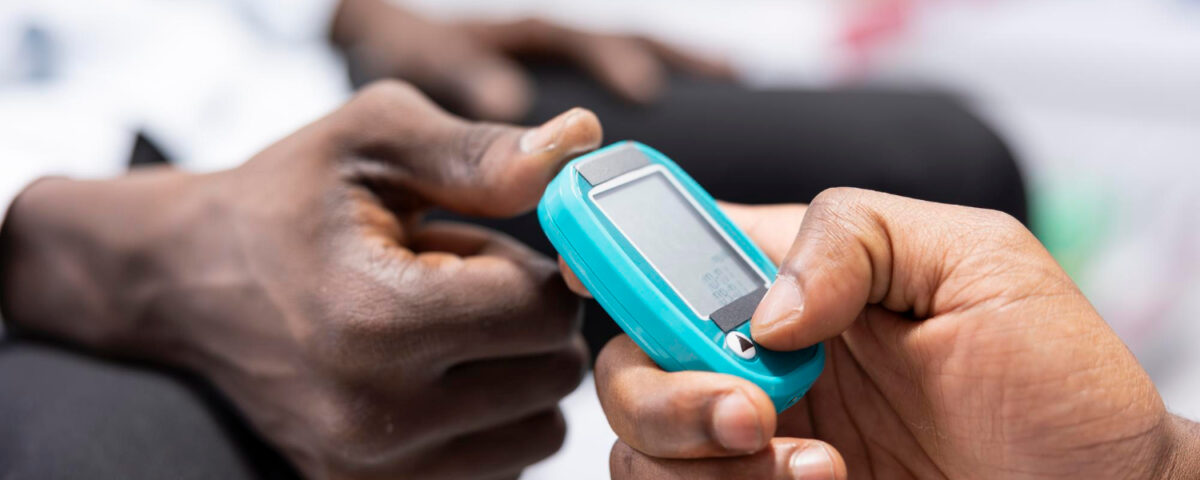
- Regular Blood Glucose Monitoring: Monitoring blood sugar levels helps individuals and healthcare providers understand how the body responds to food, activity, and medication. Accurate glucose monitoring devices are essential for effective diabetes management and informed treatment decisions.
- Healthy Nutrition: A balanced diet plays a major role in controlling blood sugar levels. This typically includes:
– Whole grains, vegetables, and fruits
– Lean proteins
– Reduced intake of refined sugars and processed foods
Meal planning and portion control are key components of dietary management. - Physical Activity: Regular exercise improves insulin sensitivity and helps regulate blood glucose levels. Activities such as walking, cycling, or swimming can make a significant difference when done consistently.
- Medication and Insulin Therapy: Depending on the type and severity of diabetes, treatment may involve oral medications or insulin injections. Adhering to prescribed treatment plans is crucial for maintaining stable blood sugar levels.
- Routine Medical Checkups: Regular screenings for blood pressure, cholesterol, eye health, kidney function, and foot health help detect complications early and prevent disease progression.
THE IMPORTANCE OF AWRENESS AND SUPPORT
Education and awareness empower individuals to take control of their condition. Support from healthcare providers, caregivers, and access to reliable medical tools further improves outcomes and quality of life.
WHAT TO DO!
Diabetes management is a lifelong commitment, but with proper education, accurate monitoring, and consistent care, its impact can be significantly reduced. Awareness, early detection, and the right medical support remain the foundation of effective diabetes control.